Resource Recovery and Urban Mining at Scale
Sustainability and Urban Mining. The Sustainable Action of Rerum Corporation
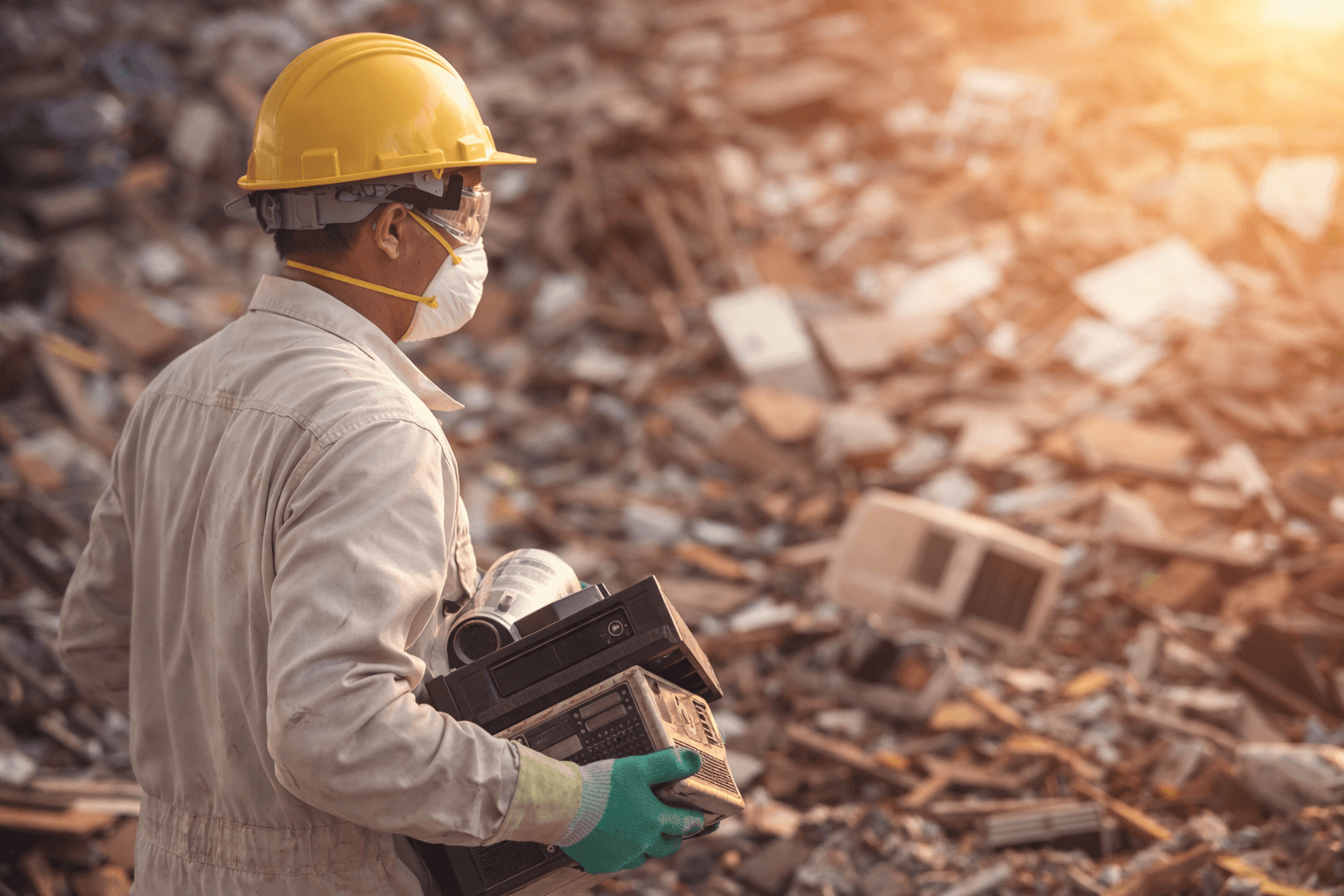
Sustainability and Urban Mining at Rerum Corporation
At Rerum Corporation, sustainability is not just a commitment, but a central part of our operations in the global commodities market. As an international trading company, we take on the responsibility of structuring transparent, efficient, and environmentally responsible supply chains. Among the pillars of this operation is urban mining, a practice that transforms waste and obsolete infrastructures into new sources of raw materials, reducing environmental pressures and strengthening sustainable production cycles.
Urban mining operates in the opposite direction of traditional logic: instead of extracting more resources from the environment, it requalifies materials already existing in the urban, industrial, and technological fabric. This approach extends the life cycle of materials, decreases dependence on mineral extraction, and reduces emissions associated with intensive primary production processes. In our projects, this concept materializes in concrete actions that reposition waste as strategic inputs.
Sustainability and Urban Mining
at Rerum Corporation
At Rerum Corporation, sustainability is not just a commitment, but a central part of our role in the global commodities market. As an international trader, we take responsibility for structuring transparent, efficient, and environmentally responsible supply chains. Among the pillars of this action is urban mining, a practice that transforms waste and obsolete infrastructures into new sources of raw materials, reducing environmental pressures and strengthening sustainable production cycles.
Urban mining operates in the opposite direction of traditional logic: instead of extracting more resources from the environment, it requalifies materials already present in the urban, industrial, and technological fabric. This approach prolongs the life cycle of materials, decreases dependence on mineral extraction, and reduces emissions associated with intensive primary production processes. In our projects, this concept materializes in concrete actions that reposition waste as strategic inputs.

Partnership with VTal:
Recovery and Reuse of Network Assets
An emblematic example of this strategy is the project developed with VTal, the largest neutral fiber optic network in Latin America. The company, in addition to operating a national connectivity infrastructure, became responsible for a large part of the legacy metallic network of Oi, composed of extensive volumes of copper cables and also cables that contain other metallic materials, such as lead components and muff structures, which are also discontinued.
These cables remained stored throughout the country, constituting a large-scale logistical and environmental liability. With no operational use and no defined destination, they represented an idle stock whose reuse required technical, regulatory, and commercial coordination.
It was in this context that Rerum structured an integrated operation to recover these assets, within a process legally authorized and aimed at responsible recycling.
Partnership with VTal:
Recovery and Reuse of Network Assets
An emblematic example of this strategy is the project developed with VTal, the largest neutral optical fiber network in Latin America. The company, in addition to operating a national connectivity infrastructure, became responsible for a large part of the legacy metallic network of Oi, composed of extensive volumes of copper cables and also cables that contain other metallic materials, such as lead components and muffler-type structures, also discontinued.
These cables remained stored throughout the country, constituting a large-scale logistical and environmental liability. Without operational use and without a defined destination, they represented an idle stock whose reuse required technical, regulatory, and commercial coordination.
It was in this context that Rerum structured an integrated operation to recover these assets, within a process authorized by the court and aimed at responsible recycling.
Our Role: Logistics,
Compliance and International Export
As global trading, Rerum has taken on the full management of the operation, conducting all steps from the origin to the final destination of the materials. The work covered planning and logistical execution for collection and consolidation of the loads, the necessary documentation and regulatory management for international movement, transport to ports and customs terminals, and finally, the export of the recovered volumes to previously approved and technically qualified recycling companies abroad to carry out the environmentally appropriate reuse of copper, materials present in lead cables, and components associated with muffles.
This action ensured that all the material went to specialized recyclers responsible for reintegrating the materials into the production cycle in a regulated, sustainable, and technically reliable manner. Each phase of the process was conducted with operational rigor and social and environmental responsibility, ensuring compliance with good environmental practices and international quality standards.
Measurable Impact: Over 142 Thousand Tons Reintroduced into the International Materials Cycle
The impact of this initiative is concrete and significant: a total of 142,414,566 kg of copper scrap and associated metallic materials were recovered. That is over 142 thousand tons that have been prevented from being left abandoned in unproductive stocks. The recovery of this volume highlights the extent of the opportunity present in deactivated assets and demonstrates how idle stocks can be converted into resources with real economic value, fully reintegrated into the global market. This process includes not only copper but also materials present in lead cables and metallic components from muffles, which together substantially expand the positive environmental reach of the operation.
All recovered material was carefully processed, classified, and prepared for export, meeting international requirements for purity, traceability, and technical compliance. The destination of these materials to specialized recyclers abroad not only enabled their large-scale reuse but also connected the operation to advanced industrial chains capable of transforming the recovered material into high-value-added inputs used in global manufacturing.
This reintegration into the international production cycle generates significant environmental benefits. The recycling of the materials moved, which resulted in the recovery of approximately 74 thousand tons of metallic copper, over 6 thousand tons of lead, and around 420 tons of equivalent metal from muffles, avoided the need to extract large volumes of primary ore. In total, more than 15 million tons of ore were not mined, considering the typical copper and lead grades in primary mining operations. In territorial scale, this is equivalent to eliminating the opening of dozens to hundreds of hectares of new mining fronts in the case of copper, in addition to smaller additional areas associated with lead and muffles, contributing to reducing impacts on ecosystems, watercourses, and areas of native vegetation.
From a physical-operational perspective, the operation also avoided the movement of tens of millions of tons of overburden material, with copper alone representing between 22 and 59 million tons of rock that did not need to be excavated, transported, and disposed of, while lead and metals from muffles add hundreds of thousands of tons to this total. The reduction of metallurgical slag follows this trend: the recycling of these materials avoided the generation of something between 77 thousand and over 235 thousand tons of industrial slag, a volume that, if produced, would require transportation, cooling, final disposal, and extended environmental management.

In the energy sector, the benefit is even more evident. The recycling of the materials involved has resulted in a savings estimated between 330 and 985 GWh, considering the difference between the energy needed to produce primary copper and lead and the energy required in the recycling process. This represents a savings comparable to the annual energy consumption of tens of thousands of households. Furthermore, this energy savings directly translates into avoided emissions: between 155,000 and 465,000 tons of CO₂ have not been emitted, reinforcing the role of the operation as a vector for climate mitigation aligned with global best practices in industrial sustainability.
By directing these materials to internationally technically prepared industrial chains, the initiative ensures that they return to the global market in the form of new products, electronic components, metal alloys, and essential inputs for strategic sectors. In this way, the recovered volumes begin to integrate economies from different regions of the world, strengthening industrial productivity, supply security, and resource efficiency. This is an operation that not only eliminates waste but transforms a liability into an asset, reinforcing the logic of the circular economy and the responsible use of critical materials.
Our Role: Logistics,
Compliance, and International Export
As a global trading company, Rerum has taken full management of the operation, conducting all stages from origin to final destination of the materials. The work encompassed the planning and logistical execution for the collection and consolidation of loads, the necessary documentation and regulatory management for international movement, transportation to ports and customs terminals, and finally, the export of the recovered volumes to pre-approved recycling companies abroad that are technically capable of reusing copper, materials present in lead cables, and components associated with mufflers, in an environmentally appropriate manner.
This action ensured that all the material went to specialized recyclers, responsible for reintegrating the materials into the productive cycle in a regulated, sustainable, and technically reliable manner. Each phase of the process was conducted with operational rigor and social-environmental responsibility, ensuring compliance with good environmental practices and international quality standards.
Measurable Impact: Over 142 Thousand Tons Reintroduced into the International Materials Cycle
The impact of this initiative is concrete and significant: a total of 142,414,566 kg of copper scrap and associated metallic materials have been recovered. That is more than 142 thousand tons that were prevented from remaining abandoned in unproductive stocks. The recovery of this volume highlights the opportunity present in deactivated assets and demonstrates how idle stocks can be converted into resources with real economic value, fully reintegrated into the global market. This process includes not only copper but also materials present in lead cables and metallic components from mufflers, which together substantially expand the positive environmental reach of the operation.
All the recovered material was carefully processed, classified, and prepared for export, meeting international requirements for purity, traceability, and technical compliance. The destination of these materials to specialized recyclers abroad not only enabled their large-scale reuse but also connected the operation to advanced industrial chains capable of transforming the recovered material into high-value inputs used in global manufacturing.
This reintegration into the international productive cycle generates significant environmental benefits. The recycling of the materials handled, which resulted in the recovery of approximately 74 thousand tons of metallic copper, more than 6 thousand tons of lead, and around 420 tons of equivalent metal from mufflers, avoided the need to extract large volumes of primary ore. In total, more than 15 million tons of ore did not have to be mined, considering the typical copper and lead contents in primary mining operations. In territorial scale, this equates to the elimination of the opening of dozens to hundreds of hectares of new mining fronts in the case of copper, plus smaller additional areas associated with lead and mufflers, helping to reduce impacts on ecosystems, watercourses, and areas of native vegetation.
From a physical-operation perspective, the operation also avoided the movement of tens of millions of tons of waste material, with copper alone representing between 22 and 59 million tons of rock that were not excavated, transported, and disposed of, while lead and metals from mufflers add hundreds of thousands of tons to this total. The reduction in metallurgical slag accompanies this trend: recycling these materials avoided the generation of between 77 thousand and more than 235 thousand tons of industrial slag, a volume that, if produced, would require transport, cooling, final disposal, and prolonged environmental management.
In the energy field, the benefit is even clearer. The recycling of the materials handled provided an estimated saving between 330 and 985 GWh, considering the difference between the energy required to produce primary copper and lead and the energy demanded in the recycling process. This is a saving comparable to the annual energy consumption of tens of thousands of households. Furthermore, this energy saving translates directly into avoided emissions: between 155 thousand and 465 thousand tons of CO₂ were not emitted, reinforcing the role of the operation as a vector for climate mitigation aligned with the best global practices of industrial sustainability.
By directing these materials to internationally prepared industrial chains, the initiative ensures that they return to the global market in the form of new products, electronic components, metal alloys, and essential inputs for strategic sectors. In this way, the recovered volumes begin to integrate economies from different regions of the world, strengthening industrial productivity, supply security, and resource use efficiency. This is an operation that not only eliminates waste but transforms a liability into an asset, reinforcing the logic of the circular economy and the responsible use of critical materials.
Strategic Results
and Sustainable Value
Strategic Results and
Sustainable Value